Introduction
Base Erosion and Profit Shifting (BEPS) Action 6 also known as the Treaty Abuse Action represents one of the most significant global tax reforms in the last decade.
Its purpose is simple but far-reaching:
Stop multinationals from accessing treaty benefits when they are not entitled to them.
Before BEPS, many companies used treaty-shopping structures, conduit entities, shell companies, and artificial arrangements to benefit from reduced withholding tax (WHT) rates on royalties, dividends, services, and interest.
Action 6 changes this dramatically by requiring economic substance, purpose, and genuine business rationale before treaty benefits can be granted.
This article explains how Action 6 works, how it impacts treaty access, and what multinationals must do to comply.
1. What Is BEPS Action 6?
BEPS Action 6 is part of the OECD’s global initiative to combat tax avoidance.
It aims to ensure treaties are used only by taxpayers genuinely entitled to them.
Action 6 introduced:
A new Preamble to treaties
The Principal Purpose Test (PPT)
The Limitation on Benefits (LOB) clause (in some treaties)
Stricter Beneficial Ownership requirements
Mandatory substance criteria
Together, these measures dramatically reduce access to treaty advantages for artificial structures.
2. The Preamble: The Foundation of Action 6
Since BEPS, most treaties include a new Preamble:
The purpose of the treaty is to avoid double taxation without creating opportunities for double non-taxation or treaty abuse.
This sets the tone for everything that follows.
If a taxpayer’s structure seeks tax reduction as the main purpose, treaty benefits may be denied.
3. Principal Purpose Test (PPT) The Core of Action 6
The PPT states:
Treaty benefits shall be denied if one of the principal purposes of any arrangement or transaction was to obtain treaty benefits,
unless granting the benefit aligns with the object and purpose of the treaty.
✔ What this means in practice:
Tax authorities can deny benefits even without a strict LOB clause
Business purpose must be documented
Substance must match the claimed activity
Holding companies or conduit structures without genuine activity are at high risk
✔ PPT covers:
Royalties
Services
Dividends
Interest
Capital gains
4. Limitation on Benefits (LOB) Clause
Some treaties include an LOB clause, which is more rule-based than the PPT.
LOB requires the entity to meet specific criteria such as:
Public listing
Ownership by qualified residents
Active business operations
Substance requirements
Non-conduit entity tests
If the entity fails the LOB test → treaty benefits are automatically denied.
5. Beneficial Ownership Under Action 6
Action 6 strengthens the concept of Beneficial Ownership, requiring the recipient of income to be:
The true economic owner
The entity that controls risks and functions
The one that has substance (staff, premises, management)
Not required to pass on payments to another entity
Shell and conduit companies fail this test immediately.
6. How Action 6 Impacts Access to Treaty Benefits (Practical Effects)
6.1 Treaty Shopping Risk Increases
Structures such as:
Treaty-holding companies
Pass-through entities
Zero-tax conduits
IP boxes without substance
→ are now under heavy scrutiny.
6.2 WHT Exemptions Now Require Proof
Companies must prove:
Why they qualify for reduced WHT
Their economic presence
That transactions have real business logic
That arrangements are not primarily tax-driven
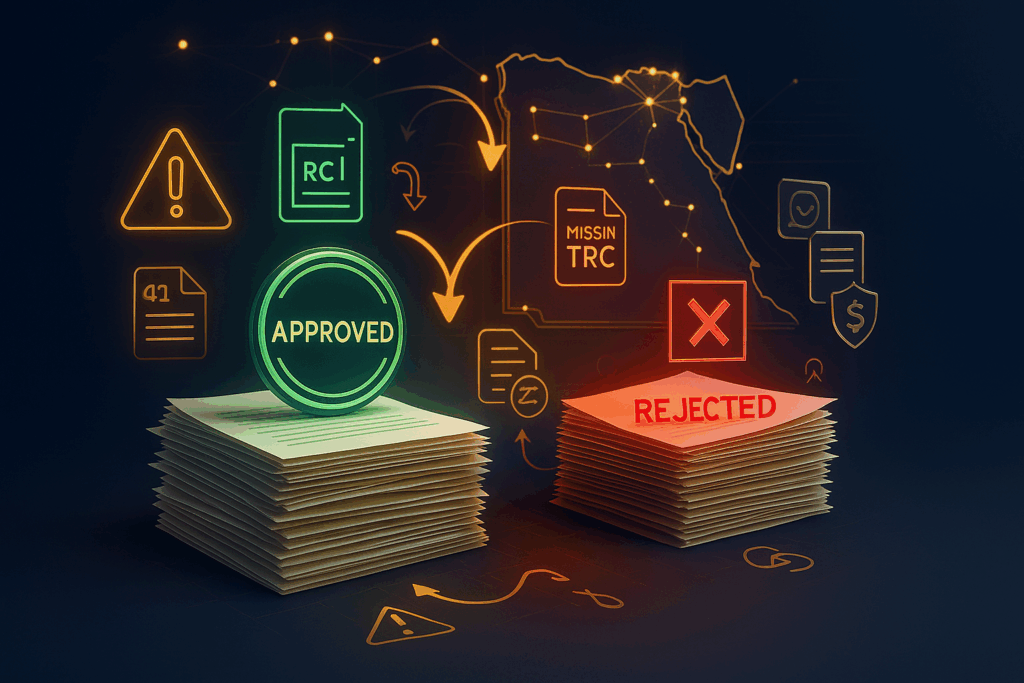
Documents like TRCs alone are not enough.
6.3 More Documentation Required
Authorities now request:
Substance evidence (employees, office, operations)
Board minutes
Organizational charts
Financial statements
Evidence of control & decision-making
Detailed treaty-benefit memos
6.4 Refusal of Treaty Benefits Without Strong Justification
Tax authorities may deny benefits if they suspect:
Conduit routing
Aggressive tax structuring
Artificial IP licensing
Circular transactions
Back-to-back financing
6.5 Increased Audit Activity
Since Action 6, many countries — including Egypt, UAE, KSA, Jordan — request:
Beneficial Ownership proof
Purpose of transaction
Substance documentation
Flow-of-funds tracing
7. Case Examples (Simplified)
Case A: Holding Company with No Employees
Purpose: Access 0% WHT on royalties.
Result: Treaty benefits denied under PPT + BO test.
Case B: Offshore Service Provider Performing Work Remotely
Purpose: Genuine service.
Result: Treaty benefits allowed if business purpose and substance is proven.
Case C: Back-to-Back IP Licensing
Middle entity passes royalties to another group company.
Result: High risk of denial under PPT & BO tests.
8. What Multinationals Must Do to Comply
✔ Build real substance
Staff — Office — Management — Decision-making.
✔ Document business purpose
Each transaction must have a non-tax commercial rationale.
✔ Maintain Beneficial Ownership evidence
Financials, org charts, internal governance.
✔ Avoid circular flows
Payments must reflect real activity, not artificial routing.
✔ Prepare treaty-benefit memos
Explain why PPT does not apply negatively.
✔ Update intercompany agreements
To reflect genuine roles and responsibilities.
Conclusion
BEPS Action 6 dramatically changed how countries grant treaty benefits.
Under the new global standard, substance, purpose, and economic reality determine eligibility not formal residency alone.
Companies must now demonstrate that their structures are not tax-driven and that they genuinely meet the conditions for treaty relief.
Understanding Action 6 is essential for avoiding denied treaty applications, unexpected WHT costs, and lengthy disputes with tax authorities.